Foot care every paraplegic needs to know

Reading time: 4 minutes

This is a textual expansion on from my YouTube video.

For most people in a wheelchair, feet become something ignored and a vulnerable point for injury.

There are a few things that sum to make foot care so important.

Sitting down and not walking means that the feet donโ€™t move much and get poor circulation, if you canโ€™t move your feet, then itโ€™s even worse. And to add to that, if you canโ€™t feel temperature and youโ€™re out in the cold, you could get frostbite without knowing.

Here are some of my experiences and quick tips concerning foot health.

Stinky feet โ€“ as a guy, I just let the shower water wash my feet, but once I was in a wheelchair, I noticed that I was getting runners foot or whatever itโ€™s called. Tennis toes? Basically, they were getting ugly and bad. I found out that the solution was to wash my feet, scrub hard and get the dead skin off and always wash between the toes. This vastly improved the hygiene health of my feet.

Toe nails โ€“ with my Greek feet, my toe nails grow out kind of weird, and with not being able to feel exactly how each of my toes are doing, I could have a nail too long and that could get messed up in a shoe, or I could get an ingrown toenail and be hurting without knowing it. I make sure to keep my toenails at a rather short length.

Pressure sores โ€“ itโ€™s very possible to get a pressure sore or something like that in between your toes! When I first came home from rehab, I slept on my side, always my left side and this in turn had my left foot with some weight on it and pushed my pinky toe into the toe next to it. On that toe is now a purple spot, which to me seems like I just need to drain some blood out of it and less of a pressure sore. Anyway, if your shoes are too tight or you donโ€™t sleep with padded boots on, then be very aware of your foot position. If this does happen or anything alike, you can buy toe spacers and put those on. The only thing is to make sure you let your toes breathe and that the toe spacers donโ€™t give you a pressure sore.

Toasty toes โ€“ What Iโ€™ve found to be true is that my legs, and mostly my feet, just donโ€™t keep warm. I have the warmest boots and the warmest socks, but really, theyโ€™re not active. A jacket is not warm, a good jacket is just a good insulator โ€“ it keeps your body heat from escaping and from the cold air getting in. It doesnโ€™t matter how good Ugg boots or Smartwool socks are. To be effective, my feet still have to produce the heat. As it is right now, I can be in a 70F (21C) and my feet will be cold.

Whatโ€™s good is that if Iโ€™m out in the cold, I at least know that my feet wonโ€™t get colder than normal because the bootโ€™s insulation keeps the cold out.

There are a few ways I warm up my feet, and some caveats that ensue.

  • Hair dryer โ€“ this is a good way to blow some warm air on your feet. It takes a little while to warm up more than just the surface. Make sure itโ€™s not too hot! Keep a good distance and always, always make sure your METAL footplate doesnโ€™t get too hot. Once when I was doing this, I got a heat blister on my toe from the metal getting hot.

  • Warm water โ€“ make sure this is only warm and not above 105F (40C). You can do this in the shower or put warm water in a bag and put it on your feet. You could also take a little bucket of warm water and dip your feet into it while on the couch.

  • Lie down โ€“ when I lay down, my circulation improves, and raising my feet up helps as well. Adding a blanket or some thick fuzzy socks will help. Using your hands to move your feet around can help โ€“ movement always helps.

  • Warm towel โ€“ this is a trick I adopted when learning massage therapy. Take a wet rag that isnโ€™t dripping and put it in the microwave. Now, itโ€™s a warm rag. Put it up against the inside of your wrist (a sensitive skin area) to check if the temperature is too hot. Use the necessary judgement to determine if your feet will be okay and then wrap the towel around your feet/foot.

  • Move โ€“ move to norther Australia if you want it to always be warm and then you should be mostly fine for keeping hot.

As briefly mentioned above, massage therapy can be good not only for your feet but for all of you.

The final footcare advice is to just be generally aware of what youโ€™re doing. If you have a lack of feeling in your feet, then you need to be aware of where your feet are. Because of the design of the wheelchair I use, the footplate has gotten very sharp on one of the corners and I have cut my ankle many times. Luckily, Iโ€™ve healed fast.

The final thing I have to say is an all-enveloping disclaimer that this is just good intentioned advice, and I donโ€™t allow you to sue me for anything. The actions you take are your own. I say this because you could burn yourself with hot water. Make sure youโ€™re being safe.


Immediate actionable items: Optimize yourself for being warm, take care of yourself, and donโ€™t forget to be present in the moment.

Summary: Many things to consider when it comes to footcare. Clip your toenails, keep your feet warm, wash your feet, and a few more things.

Overdeliver:  If youโ€™re in a wheelchair, donโ€™t be naรฏve. There are people who will sexualize your feet. Nothing against fetishes, to each their own, but donโ€™t get me involved โ€“ as the saying goes.

Insight for a physical disability

Reading time: 1 minute

I just finished reading Barack Obamaโ€™s new book, A Promised Land, which came out on the 17th of this month.

In this book, audiobook, I started to tear up when he talked about his grandmother passing away. (3/4 through Chapter 9).

Not a great thing while in the gym, but then he said something that stopped me.

He (his grandmother) put an innate understanding that I’ve had into words. One of those rare moments when a string of words becomes much more than that.

While at his grandmothersโ€™ side during her last hours, he thought back to something she once told him, (and Iโ€™m paraphrasing) the thing about getting old is that youโ€™re trapped in this contraption that falls apart – but itโ€™s still you.

Youโ€™re stuck in this contraption thatโ€™s falling apart, but itโ€™s still you โ€“ it always has been and will be.

My understanding of this came mostly from the likes of psycho-cybernetics and books similar. The understanding that who we are can be independent of who we look like we are, and both are a result of the conscious and unconscious decisions we make.

The insight here is that similar to getting old, having a physical disability is just you stuck inside this contraption that broke or doesnโ€™t properly work โ€“ but itโ€™s still you.

This could be true for any disability and not exclusive of only physical. I donโ€™t have experience with much else, and so, I reserve myself.

When I tell people Iโ€™ve never been depressed from my injury, or when they see how much I did within just a year after my injury, I often get asked how I was able to do it.
Iโ€™m not sure I can decode it entirely, but I do recognize that a majority of people donโ€™t dust themselves off as quickly as I had. Having this type of wisdom –  in words or feelings – the understanding that you havenโ€™t changed can help a lot.


Immediate actionable items: Think about this. If you journal (I highly recommend you do), itโ€™s a good practice to just open the flood gates and write out your thoughts. Write out your understanding of this and โ€œthink on paperโ€ as I call it.

Summary: The insight gained from a recent read, that who you are can be independent of your body. Getting old or acquiring a physical disability, your body may be breaking, but youโ€™re still you.

Overdeliver:ย  A quote from Hunter S. Thompson
โ€œLife is not a journey to the grave with the intention of arriving safely in a well preserved body, but rather to skid in broadside, thoroughly used up, totally worn out, and loudly proclaiming, โ€˜Wow, what a ride!โ€™ โ€


PS, happy birthday mom!

Four Traits of a Great Rehab Therapist

Reading time: 4 minutes


Note: the type of therapists I’m referring to are physical and occupational, the main type that I worked with when I was in rehab. Iโ€™ll just say therapist for the rest of this article.

Disclaimer: Iโ€™m not a physical or occupational therapist, these are my views through my experience and preference. This will say more about me and what I value, and may not be universal, but I do believe that Iโ€™ve learned enough in a multidisciplinary way that these traits will be common among great therapists that create a great experience (which Iโ€™ve had)

Trait 1: The Unaffected State


โ€œState,โ€ meaning the emotional state. The state youโ€™re in.
Basically, this comes down to being in a good mood and having come from within and not letting it be affected from without. When in rehab I had already had good state control, and because of this people enjoyed being around me because I was an anchor for good emotions.
For a therapist to be in a good mood is very important. There will undoubtedly be people in rehab who take the pessimistic view of their circumstance and drag down anyone around them. A therapist who doesnโ€™t get dragged down will eventually bring up the person who is unhappy.
A therapist will be more helpful to whoever they work with because if that person has a bad day or moment, they will need that anchor or a hand to pull them back to.
You can imagine going into a room full of therapists and all of them being cheerful, even if a few of the patients arenโ€™t. This is obviously the type of environment you would want.

Trait 2: Lighthearted


Lighthearted, also known as being playful and not taking things so seriously. Being able to make a few jokes and have some fun is essential.
When I was in rehab, there was a point I got to where I would go out into the city with a therapist and we would just do whatever. We went around to random stores, got some Starbucks, got a doughnut, and had a fun little excursion.
There are times to be serious in rehab, but I canโ€™t think of any. Why not have some fun in everything youโ€™re doing. Banter and joke.

Trait 3: Tough Love


This one I think is most important, especially for making progress.
I had and always have expectations of myself higher than anyone else will, so I pushed myself beyond what the therapists were pushing me, but they soon picked up on it. When I did boxing, I would intentionally push my trainerโ€™s buttons so that he would make me do extra pushups.
When putting tough love into action, it looks like setting big goals, trying things almost certain to fail, and really pushing. I seldom wanted help, I wanted to either succeed or fall on the ground and then learn how to get back up (maybe with some help).
I remember once in rehab I had gotten too much help and went away feeling like I couldโ€™ve done more if I didnโ€™t get so much help.
So, I think itโ€™s crucial to always push, especially in rehab. People donโ€™t want pity, they want someone who pushes them higher.
Not everyone will progress as rapidly as I had in 4 weeks of rehab, but Iโ€™m willing to bet everyone can do more than they initially think.

At Shirley Ryan, where I went for rehab in Chicago, the main goal is called Mod-I, for modified independence. Mod-I means that by the end of rehab, the person will, at least, be able to live alone. In the first session I had with a therapist, I told them I wanted to be at Mod-I in 3 days.
That is the philosophy I think is important to adopt in rehab or anything. I wanted to set big goals, and if I failed, then I would still be further along than if I set a smaller goal and achieved it.
In rehab, it was set up such that there would be 1-hour blocks of therapy where I work on a new skill. There were only two things that took me more than 1 session to get to a 90% mastery (being able to do it on my own). Being pushed and given the proper tough love from all the nurses and therapists who always expected more of me is what helped me to achieve so much.

Trait 4: Adventure


Along with having some fun, how about trying something a little crazy?
I tried out a mountain bike while at rehab and took it up a set of stairs. When I was practicing walking and connected to a harness that was then attached to a rail system on the ceiling, I had them elevate me off the ground and I did some gliding around.
For therapists, encouraging people to do something outside of their comfort zone or trying something a little whacky will always make for a good story and experience. Safety first because of legal restrictions, but the truth is I wish I fell over once or twice because in the real world people fall over and get hurt. Iโ€™d rather take a risk when Iโ€™m with a therapist and already in rehab rather than leave and have to come back just as I was adjusting.

The final line of this article is to remind you that my Instagram documents my entire rehab progress, you can see and read everything I did to get an idea of what a great rehab experience is. My therapists, doctors, and nurses were the best. Iโ€™ve tried to categorize what I think made them amazing and in turn, made me amazing.


Immediate actionable items: Send someone a thank you letter today or tomorrow for helping you in some way

Summary: When it comes to being a great therapist (as all mine were/are) the essential traits are to have good emotions, a mindset geared towards tough love and having fun(banter and adventure), and not taking any of it too seriously.

Overdeliver: To all those who have worked with me, I still remember everything, and youโ€™re appreciated.

Disability Leadership by Default

Reading time: 2 minutes

I’ve mentioned this before, but like many things, it takes repetition of many forms to understand something. Thinking about it from many angles and using different words or analogies.

When it comes to leadership, it can be found in many little ways. You may not be a leader, and that’s alright, not everyone is meant to be a leader. But, there will be times when people look to you.

Specifically, my experience is with using a wheelchair and going out to do something. When I go over to a house full of who I call my adopted family, they have to lift me up about 8-10 steps to get to the front door.

In a situation like that, where people have to lift you up some stairs, who do you reckon they look to?

You have to be ready, with confidence, to tell people what needs to be done. There is no “maybe do this,” there is only a definitive.

If you’re truly unsure, then you have to tell them that you’re thinking out loud, have them try a few things as you think through what would work best, but after enough experience, you should be able to tell people exactly how to do it. They get their confidence through you.

Don’t make the people helping think hard about how to help. They’re likely nervous and possibly a bit uncomfortable with so much responsibility if you fall. Tell them what to do.

People around you will take their cues from you. This goes from helping to knowing if it’s appropriate to make a few jokes. When it comes to jokes, I’ve never been serious about using a wheelchair and I’ve never been offended.

Something I hear a lot is, “I’m okay with it if you’re okay with it.” That’s what inspired me to write this. The realization that people, when saying that, are really saying that they’re taking cues from me, my confidence will give them confidence to help and try something.


Immediate actionable items: If you’re in a wheelchair, create a mental database of things you commonly need help with (getting up stairs maybe) and have a few ways that work so you know how to get help.

Summary: Imagine you’re getting in your car, you’re in a wheelchair and a bloke comes up and asks if you need help. You say yes. That person won’t know what to do next, you need to also tell them how they can help. That’s a type of leadership.

Overdeliver:ย If you want to do adventurous things, be comfortable with getting help, have confidence in directing help, be willing to take on new challenges, and then remember to take a few pictures.

People in Wheelchairs Have Gotta Get Away

Reading time: 2 minutes

This is something on my mind and one of those rare occurrences where I will indict myself and say, โ€œdo as I say, not as I do.โ€

At the time of my writing this, there is a global pandemic. But I write for the future as well as the present, so viruses aside, hereโ€™s what I have to say this week.

Unconditionally, going outside – preferably in nature or with people around – is beneficial for your mental health.

Go outside. Go for a walk. Go downtown unless itโ€™s closed for the virus.

Too often people arenโ€™t going outside and unless they have a really good reason to do something, people will migrate towards the most convenient thing. It could be laying down, watch TV, social media, eat, or doing something not necessary or the best use of time.

Especially for those that are in a wheelchair or have a seeming obstacle to going outside, this is why you must do it.

When I was getting my car, I sent a message out to a group and asked for car advice. Someone in a wheelchair sent me a long message raving and praising minivans and telling me that I absolutely need to get one.

I am adamantly against minivans on the grounds that I donโ€™t like them. I canโ€™t be persuaded otherwise, however, the argument I was told by that person along with many others who donโ€™t share my taste in vehicles was that it would be easy to get in and out, which does matter.

It wasn’t the minivan that people loved, but the value it can give to those in wheelchairs – reducing effort to go out.

Itโ€™s true – getting in and out of a van or some maddingly modified vehicle is about as easy as opening the front door and walking in.

If itโ€™s such an endeavor to get in and out of your car, the likelihood of not going anywhere will increase. Itโ€™s how everyone is. Ask someone if they want to go somewhere but then tell them they need to do 50 pushups first and watch as they reason how staying home is better because they have dishes to wash anyway.

Iโ€™m giving you an order, even in the thickest snow, hardest rain, and repelling heat, go outside and remind yourself that you’re in the world.

Don’t be a hermit that stays inside all the time, too many people have told me stories of people in wheelchairs who become secluded and never leave.

Of course, there are some exceptions, such as myself with college where I do find myself inside much of the time studying, however, I’m not afraid to get out and have an adventure or fall over a few times. Even so, I should be going out for a walk by the water at least once every few days, and I’ll start doing so.


Immediate actionable items: Mark times to go outside on your calendar. The first thing in the morning is best because as the day progresses, more will come up and youโ€™ll find an excuse to not go outside.  Write down, โ€œI will do ____ every X days.โ€ as a contract to your mental and physical health.

Summary: If youโ€™re in a wheelchair or have any obstacle of any type, that is no excuse to not go outside at least once a day and go for a walk, see some people, see some trees. Itโ€™s easy to stay inside, which is why going outside is so necessary.

Overdeliver:  Marking things on your calendar make you more likely to commit to doing them. Have a friend go with you to make it more enjoyable or go alone and take time to think and be present in the world.

Having someone else makes both of you accountable for the other and itโ€™ll become something you look forward to.  

Happy Birthday Stephen – Pictures from Life

October 2nd is my brother’s 18th birthday (2020). I think he’s pretty cool, not to be sentimental or anything.

Go give him the love he deserves. (view profile)

We have heaps of pictures from our childhood all the way through to now, but here are the ones I could find in 5 minutes since I’m going to bed soon.

Some are good, some are funny, some are explicit. And most will have context supplied below.

Press play then start scrolling:

This is from a long time ago, probably in Chicago.
He also takes after me for being a stud. (you can clearly see when this was taken).
This is in Canada right before a meeting. We kept the facial hair on.
This is him at a gymnastics meet a very long time ago.
We went to the Bahamas for a cruise and got burnt
In the Bahamas again, before we got burnt. (We’ve done 2 cruises)
We went on a trail and he literally moves a tree out of the way.
In Africa doing a mission trip (Ghana), we got tailor made shirts and look rather charming.
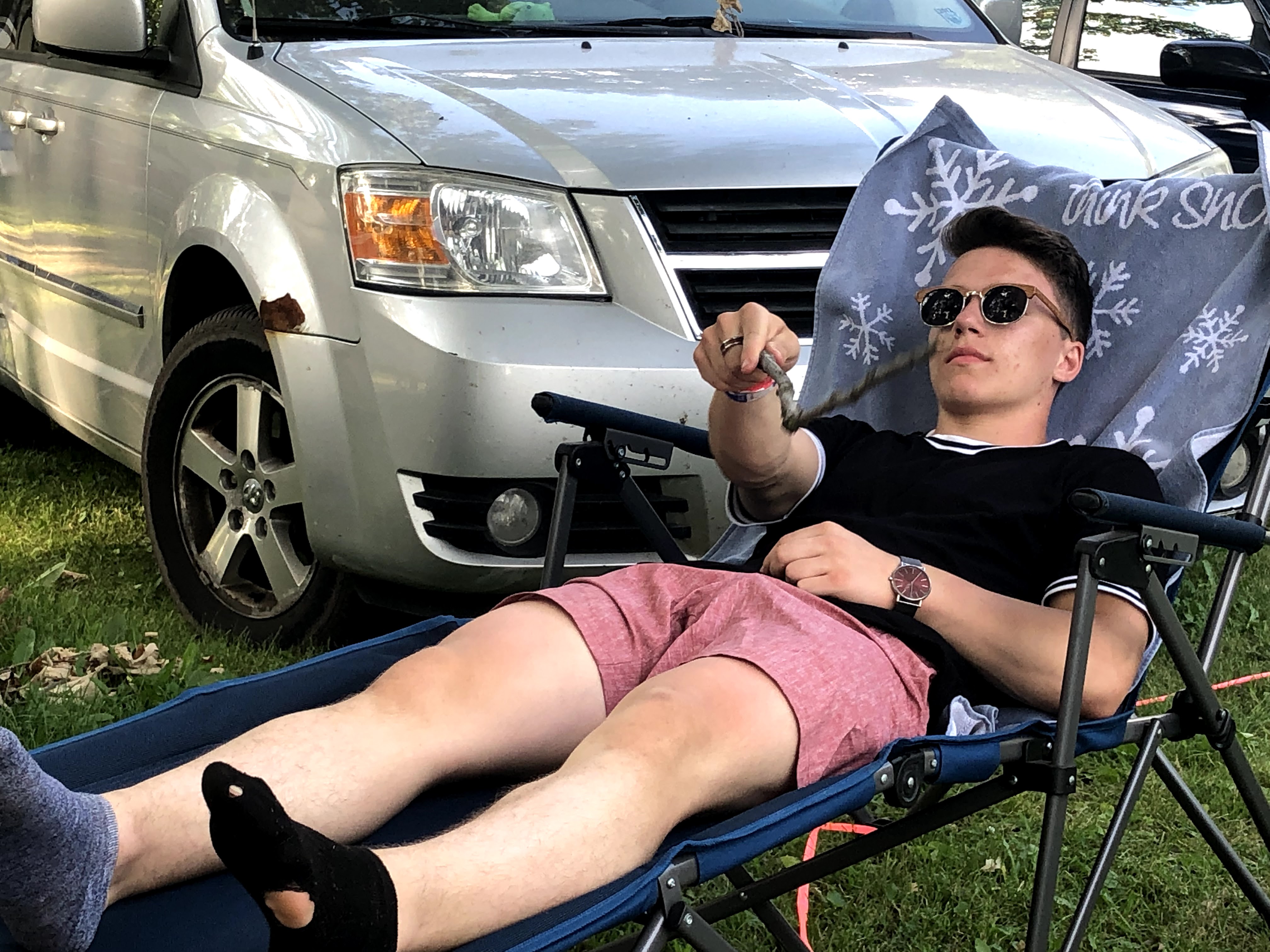
At EAA. Holes in the socks and a stick for defense.
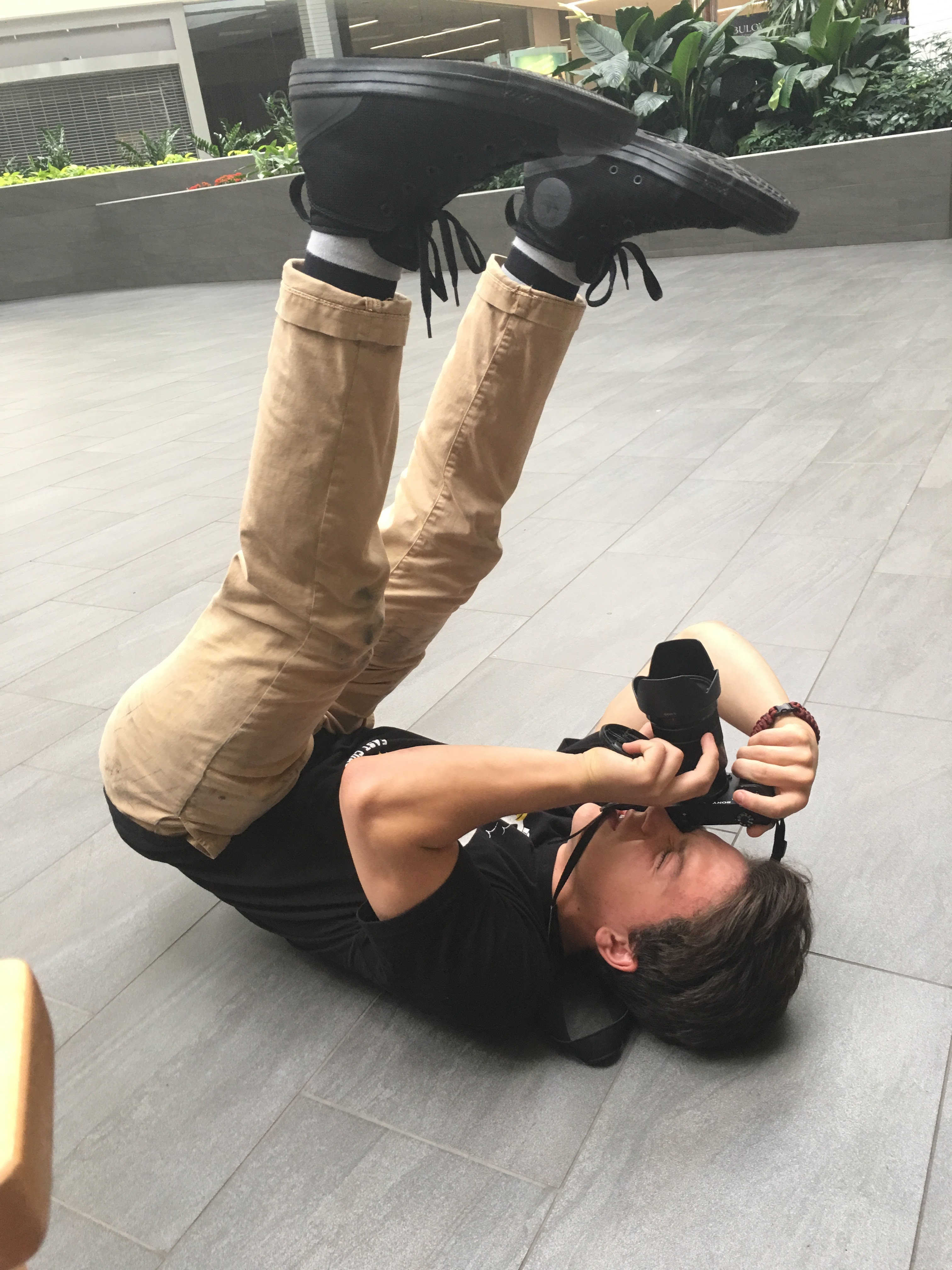
The photographer
Pictured Rocks, my friend Matt took us out for a float.
This was a while ago. Obviously on a bridge.
Apple a day.
Charming and slightly rebellious. Not shown here, but we’ve done some dangerous and spontaneous things
HHAHAHHAHA, he once shaved his head. Lots of confidence, this guy
At some fort. We have matching necklaces from Africa.
It can’t be some pictures without some sleep.
At a Christmas lights garden trail, he was illogically cold and pushed me through a half mile of wet mulch.

Finally, here is what will probably be our greatest contribution to the world. Watch all of these, if you think you can handle it.

My brother is likely the best younger brother, making me the best older brother. Maybe some day I’ll let him be player 1 when we play Lego Star Wars. Until then, we’ll keep up our shenanigans and push the limits of what we can get away with.

Paraplegic Gears/Tools of the Month: Lumbar Baby

Reading time: 1 minutes

Short, simple. Gear of the month.

The Problem:

If youโ€™re in a wheelchair, or sit down for any length of time, then youโ€™re likely to have bad posture. Itโ€™s not your fault. Most seats aren’t designed for great posture.

My car, and most others, have bucket seats that really sink you in. As soon as I sit in my car, I can feel the poor posture, and for the many hours Iโ€™ve spent driving, itโ€™s crazy to think I would ever tolerate such a seat.

The same goes for my wheelchair, I find that it sucks me in and I struggle to sit up straight. Not only do I look less cool, but I feel less awesome.

I donโ€™t know of many backrests on wheelchairs that have lumbar support, same for most chairs, couches, and cars.

Iโ€™m definitely not a doctor. I donโ€™t eat veggies, and that instantly disqualifies me, but at the end of this post, there will be an article to shock you with how unhealthy sitting is and if you don’t believe it still, try and find credible sources that say sitting IS healthy. You’ll probably find some because the internet has a knack for that, but then go to medical school and see if you still don’t believe sitting is bad. Or just sit for a while and see how you feel.

This issue is especially important with those in wheelchairs who sit quite literally all day. Having a straight back and good posture will go a very long way, as will adequate back exercises.

The solution:

Lumbar support for paraplegics.

Invest in your health and you’ll live longer to invest in whatever else you please.

Here are some options that I find agreeable:

For the wheelchair: The Original McKenzie Slimline Lumbar Support

Let me tell you, this is about the only suitable one I could find. In a wheelchair, you don’t need much, and a lot of them are overwhelming. This is slim enough, it shouldn’t push you so far forward and out of your chair.


For the car/office chair: Lumbar Support Pillow


For the anywhere: BraceUP Stabilizing Lumbar Lower Back Brace


Why sitting down is bad, and poor posture is worse.

If you can stand, whether in leg braces or because you’re not in a wheelchair, do it. Stand up.

Paraplegic Gear/Tools of the Month: Car Cushion

Reading time: a few

Your wheelchair seat is made for long term seating, hopefully.

Other seats are not. That’s the issue.

What to do?

Specifically, what to do in a car?

Iโ€™ve done extensive research and found a good seat at a good price. It makes any drive a lot more bearable.

This is the answer.

SUNFICON Inflatable Air Seat Cushions

I don’t recommend the color black, it’ll be hot in your car in the summer. Mine is grey.


Immediate actionable items: Buy this, or something similar for a seat in your car.

Summary: A cushion for your car.

Overdeliver:  This can double as a cushion for dire times, or on other seats that arenโ€™t cushioned.

Cautionary Summer Heat for Paraplegics

Reading time: 2.5 minutes

In the summer, the sun is a scorcher and we all know that. If you don’t live somewhere where the heat gets cranked up, then this is just a little bit of knowledge for you. If you live anywhere that the sun cooks, this is important, especially if you haven’t experienced a summer in a wheelchair.

I was in Australia during their summer and right now I’m in the US and having almost equally hot days. I was laying out on my pool deck getting sun kissed and I had my chair over my face. I had my phone hanging up under my seat playing an audiobook and I was in relax mode.

I also had a towel on the deck under my legs as well as a patio chair cushion under my hips โ€“ the towel so that my feet wouldnโ€™t be on the hot ground and the cushion so that I would be comfortable. In moving the chair from where it was to cover my face, the towel that I had on it fell off and I didnโ€™t know. I had brought a white towel with me to set on my chair to keep it from getting too hot.

Likely, your chair, seat, and backrest are all black. Mine are. It keeps it from looking dirty, sure. Under the sun is no place for a chair that absorbs heat. Especially for someone who might not have feeling, getting burned by sitting on a hot seat or backrest, or burning your feet on a hot metal footplate is among the top three worst things you could have happen.

I have gotten burned before. It was my footplate, hot metal and the skin on my big toe clashed, and the heat won.

When I got up after listening to a few chapters of my audiobook, I realized the white towel that I had placed on the wheelchair had fallen off. I realized too late that the towel had fallen off and saw that my seat, which is both black and air inflated, was looking juiced up. I immediately open the airflow otherwise it would’ve popped. That has happened to me before as well, my chair popped a hole after the heat. Luckily I still have the seat under warranty and that was only like four or five months after rehab.

Even while Iโ€™m in the wheelchair, any part that isnโ€™t covered by me will get hot and I then have to be careful not to touch it. When I go outside in the heat, even if my chair never saw the light of sun, the heat still inflates it.

This is my experience and the lessons are these, when your wheelchair is in the sun, cover it up or put something on it before you go to sit in it, otherwise a burn may ensue. Pay attention to the footplate and the heat of it, maybe even paint it white or silver (mine is black). When in the heat or going through any temperature change, understand that your air inflated seat will change pressure and youโ€™ll need to be keen on observing the change and adjust accordingly.


Immediate actionable items: Check the heat of things with the back of your hand or inside of your wrist where the temperature sensitivity is rather acute and judge for yourself whether or not itโ€™s safe to touch, sit, or anything else. Maybe even buy some lighter color items to lay over your wheelchair seat or backrest, etc.

Summary: Instead of you learning from experience that warm weather makes an air inflated seat pop or that it can make parts of a wheelchair so hot you burn yourself, you can learn that here and take the lessons with you all the same.

Overdeliver:  If youโ€™re in a wheelchair and your backrest is a dark color and has any level of cushioning (mine has too much), then it can be both hot and cause you to sweat. Find or buy a white dry fit shirt or cloth to put over the backrest to mitigate the effects of heat.

Why You Need to Wear a Seat Belt in a Wheelchair

Reading time: 3 minutes

When I was in rehab, we were required to wear our belts and I didnโ€™t like it. I donโ€™t know exactly why, but I just didnโ€™t want to wear it. I reckon it has something to do with being told I had to wear it.

When I was ordering my wheelchair, I almost didnโ€™t get the seatbelt but I’m glad I did, I call it the adventure belt because, when I do have it on, it means that something awesome is going to happen.

I was once told about a guy who didnโ€™t have a seatbelt or brakes for his chair, which is ridiculous, and hopefully, you donโ€™t do that.

When I first got my chair, I strapped the belt below my seat and ignored it. I thought it was the dumbest thing ever and I was adamantly against it.

Then, I started to get into the Danger Zone, where things get exciting. Going up and downstairs, doing tricks, falling a few times, working out, doing handstands, falling some more, getting up ledges, and probably more that I canโ€™t think of.

Imagine being in the car without a seat belt and hitting the brakes, your body moves forward. Think of speeding up quickly, you move back into the seat. Wearing a seat belt in my wheelchair keeps me locked in so that I donโ€™t shift around while moving and gives me better control over the chair I’m in.

When I go into a door with a ledge, I do a wheelie, get my front wheels in, and then pull the rest of my chair up. Without my adventure belt locked in, I would likely pull my body out of my chair. Same for going upstairs. I havenโ€™t made a video about how to do it yet, but it wouldnโ€™t be possible without an adventure belt.

Iโ€™ve fallen a few times, at the time of writing, Iโ€™ve fallen six times. Each of them is a pretty good story and only a few of them I wasnโ€™t wearing the belt. From experience, having a belt on helps big time with falling. Imagine you’re going down a fairly steep hill in the grass, you hit a soft spot and your front wheels dig in. You’re already tipping forward from going down the hill and so you fall forward. You could either catch yourself or at least keep the fall from getting too bad and use your hands to twist your chair to the side to avoid falling anymore.

If you werenโ€™t wearing a seatbelt, you would’ve fallen forward and gotten dumped straight out of your chair, possibly caught yourself but more likely tumbled down the hill a bit and maybe even get knocked by your wheelchair falling after you.

When it comes to working out, the best example is doing pull ups. When I was in rehab, we tried many ways to do pull ups but never thought about keeping me in the chair. Iโ€™m here to tell you that staying in the chair is the best way to do it, and thatโ€™s accomplished only with the use of the adventure belt.

Even having the belt a little loose is all right, so long as you have it on.

There have been many times in the city where I hit a bump or crack that sticks out far too high and it brings my chair to a complete stop, I havenโ€™t fallen yet, but I sure would’ve if I hadnโ€™t had the adventure belt on.


Immediate actionable items: If youโ€™re in a wheelchair, start using your belt. If you already do use your belt or you arenโ€™t in a wheelchair, then Iโ€™m just preaching over here.

Summary: Wearing a seat belt in a wheelchair is important for those who want to do crazy things and avoid falling out of your chair.

Overdeliver: After a while of using your seat belt in your wheelchair, you may notice the clamp that attaches your belt to your chair moved. Mine moves all the time because of all that I do. You can easily find the right tool and loosen it, put it back to how it was, and then tighten it back up. For the chair I use, when the clamp moves out of place, it will hit the spokes of the wheel, which shouldnโ€™t happen.